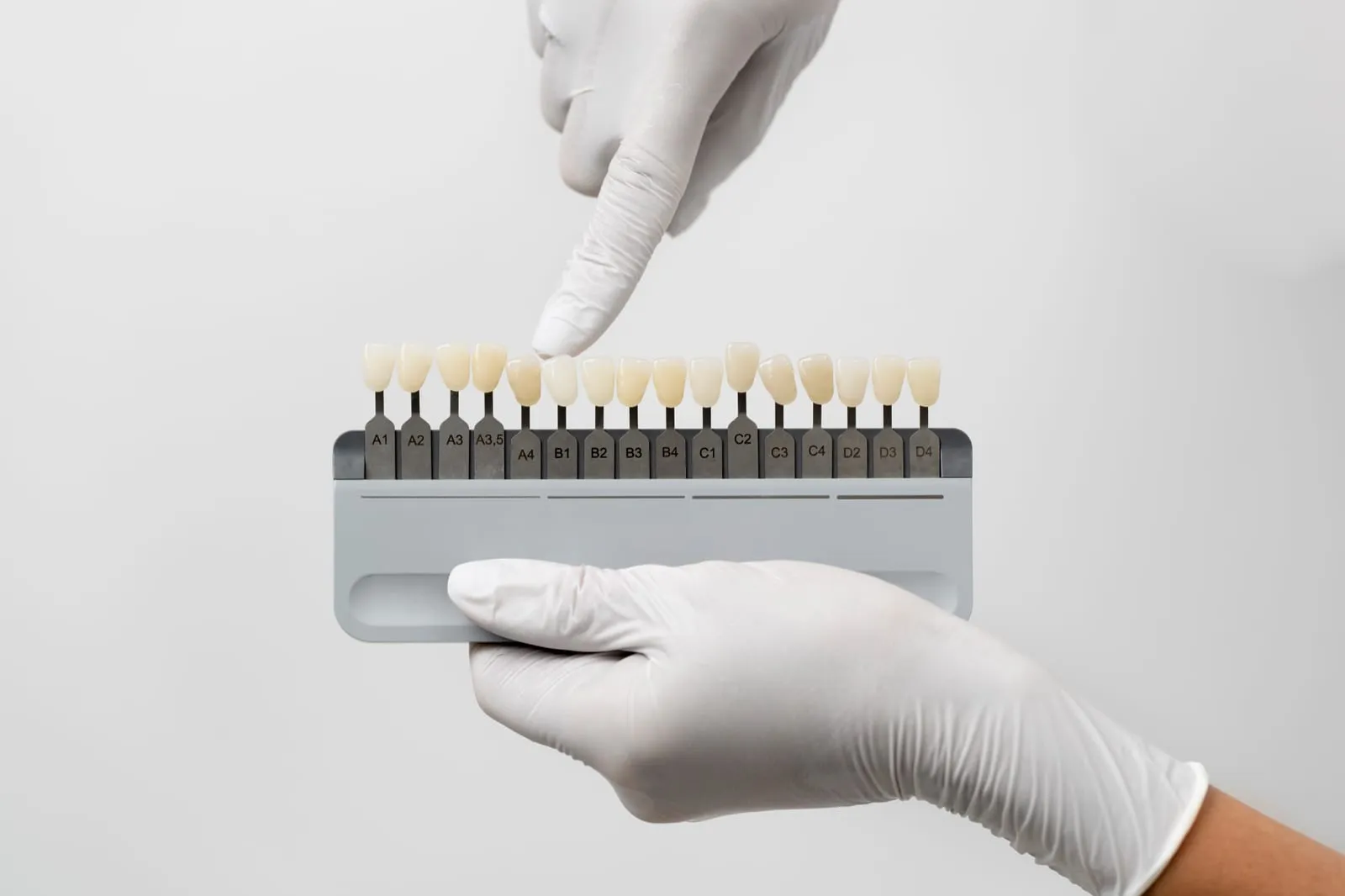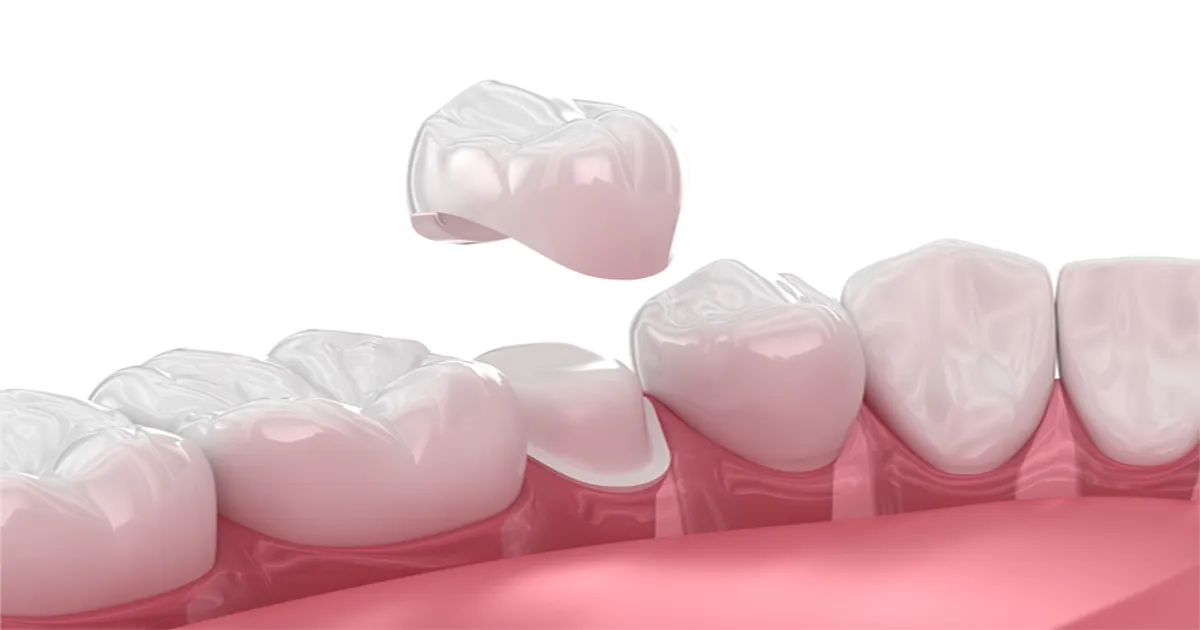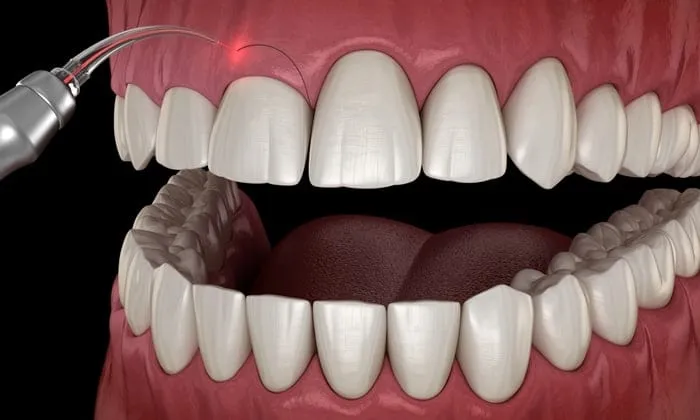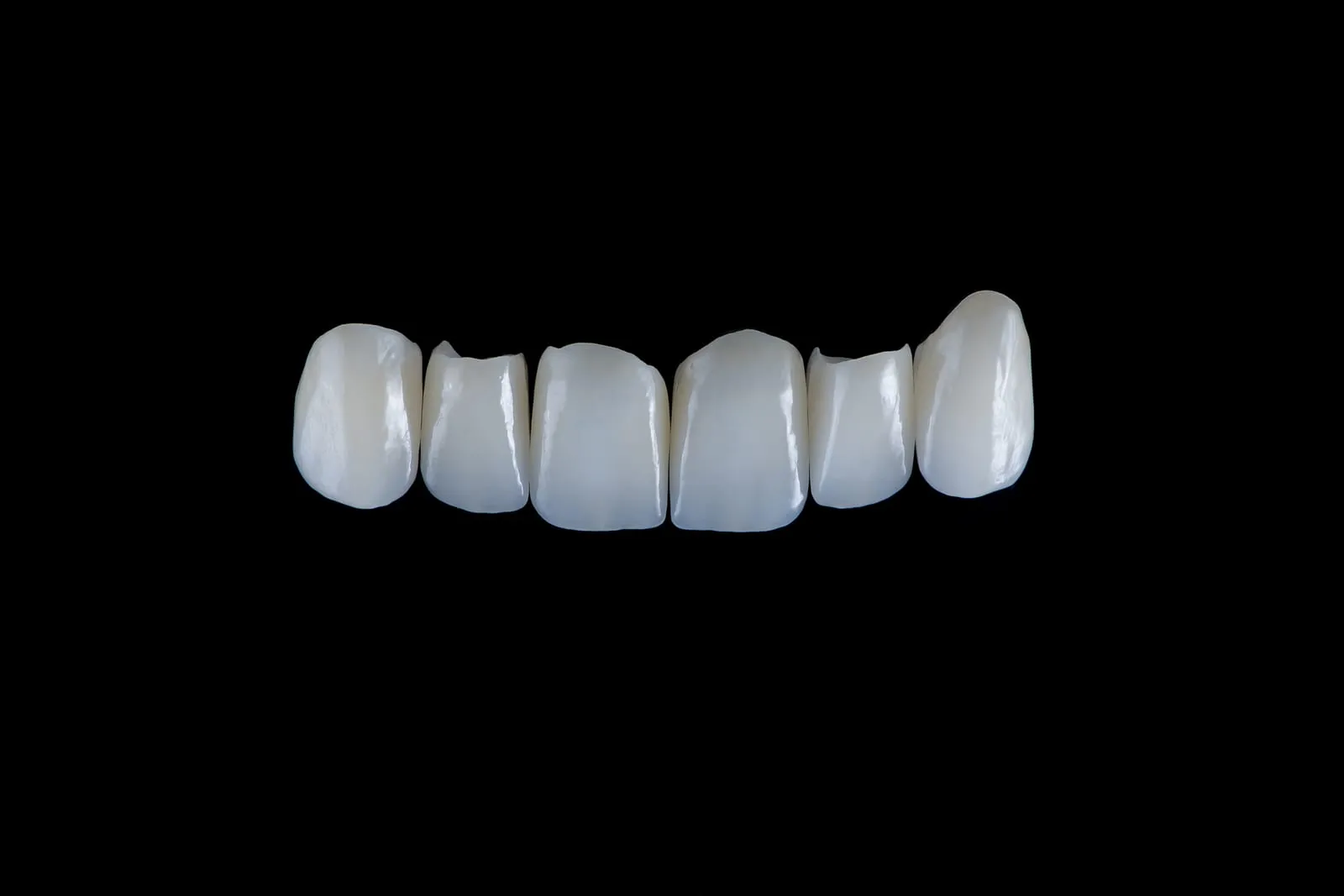
Veneers suit people who want a bigger change than whitening can give: chipped, worn or uneven teeth, small teeth, or colour that won’t bleach. We design the smile from a digital scan and facial photos so you can see the plan before any work begins.
Ceramic or composite?
- Ceramic veneers: made in a lab, with a natural translucency and a colour that stays stable. A thin layer of enamel is prepared.
- Composite veneers: sculpted directly on the tooth with little or no preparation and easy to repair, but more prone to staining and need occasional polishing.
Ceramic veneer steps
- 1 Consultation, dental check, photos and a 3Shape digital scan
- 2 Smile design with a mock-up so you can preview the shape
- 3 Minimal preparation, scan to the lab, temporary veneers fitted
- 4 Try-in, colour and shape adjustments, then permanent bonding
- 5 Review visit to check your bite and gums
Looking after veneers
- Brush and floss as normal, paying attention to the gumline
- Don’t use front teeth to open things or bite very hard foods
- If you grind at night, wear a night guard
- Six-monthly check-ups
Common questions
How long do veneers last?
Well-maintained ceramic veneers last many years. Composite has a shorter lifespan and needs periodic polishing or repair. It depends on your habits and care.
How much of my tooth is removed?
Ceramic veneers need a thin layer of enamel prepared according to the design; some cases allow minimal-prep. The dentist will explain using your mock-up before you decide.