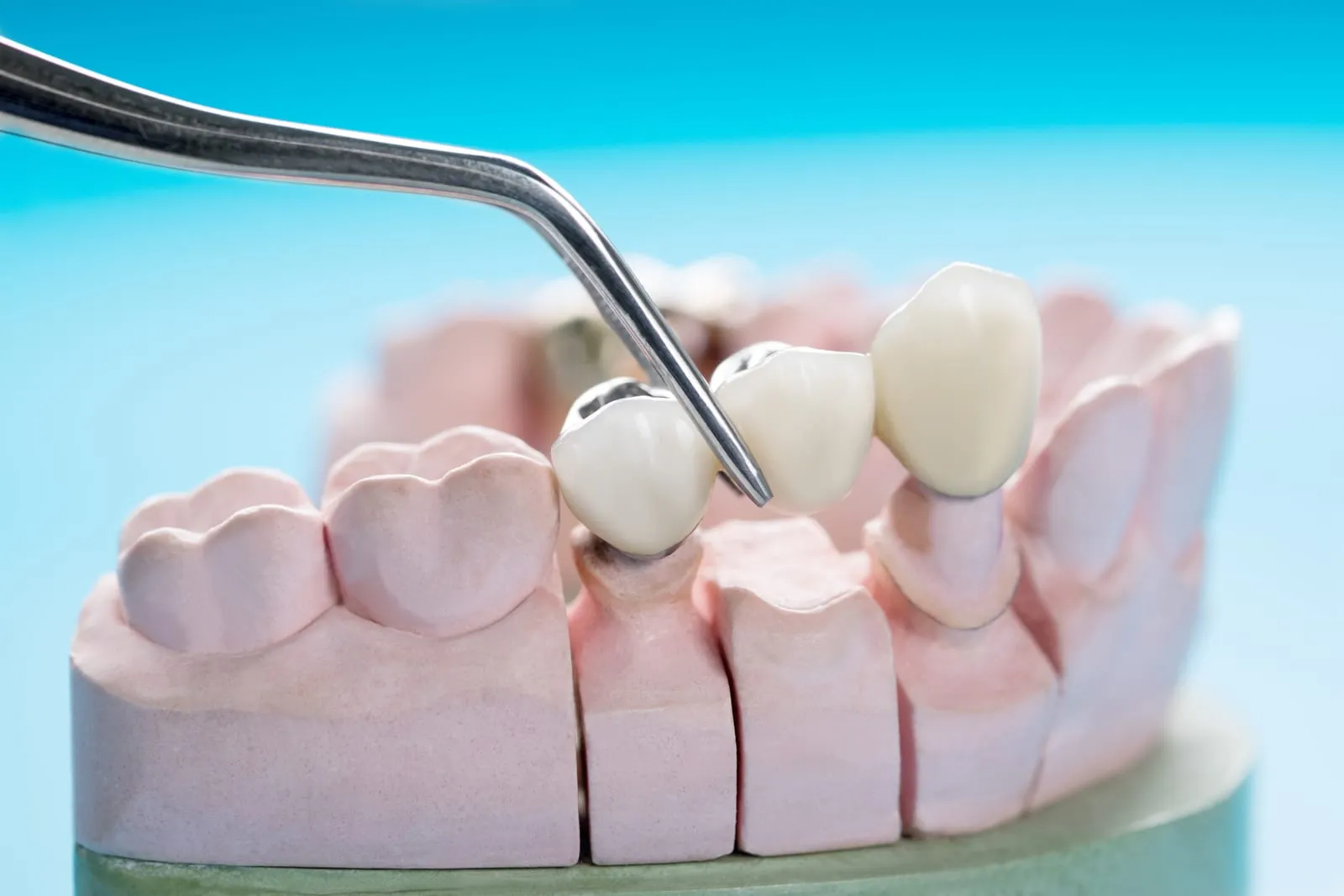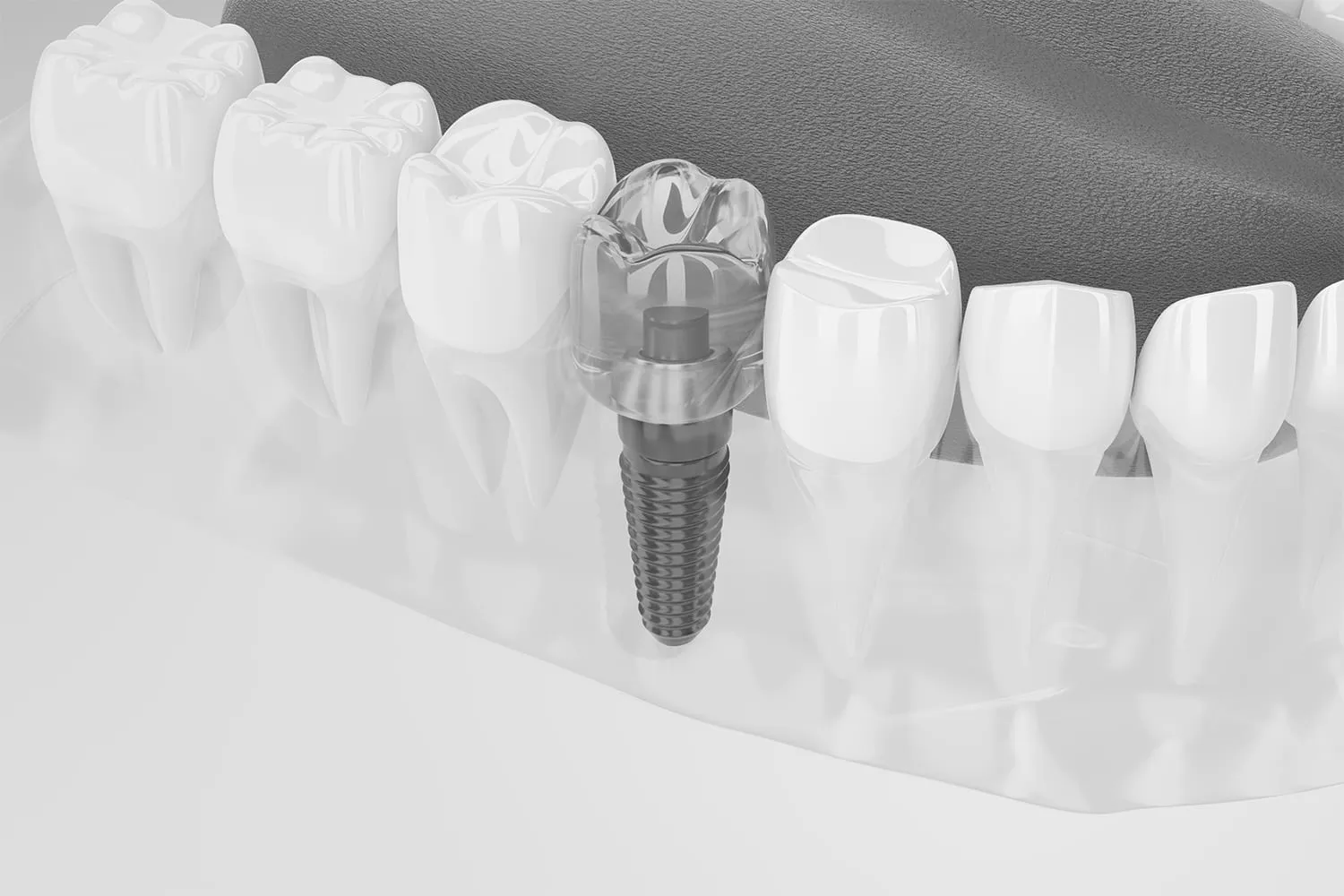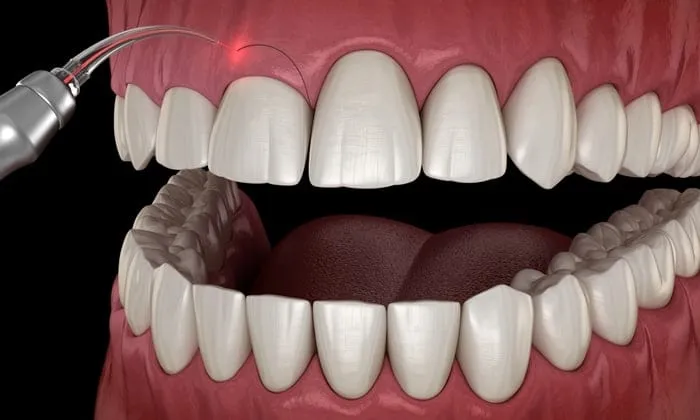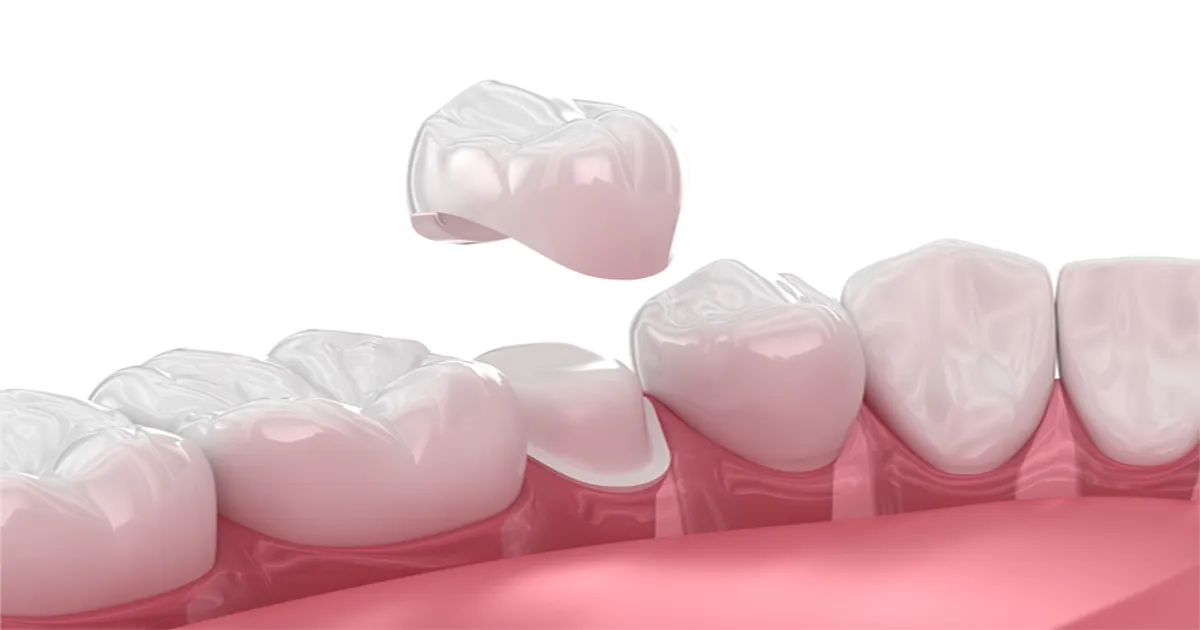
When so little tooth is left that a filling can’t take the biting load, a crown covers the whole tooth, protects it from fracturing and restores a natural shape. Back teeth that have had a root canal usually need one.
Crown materials
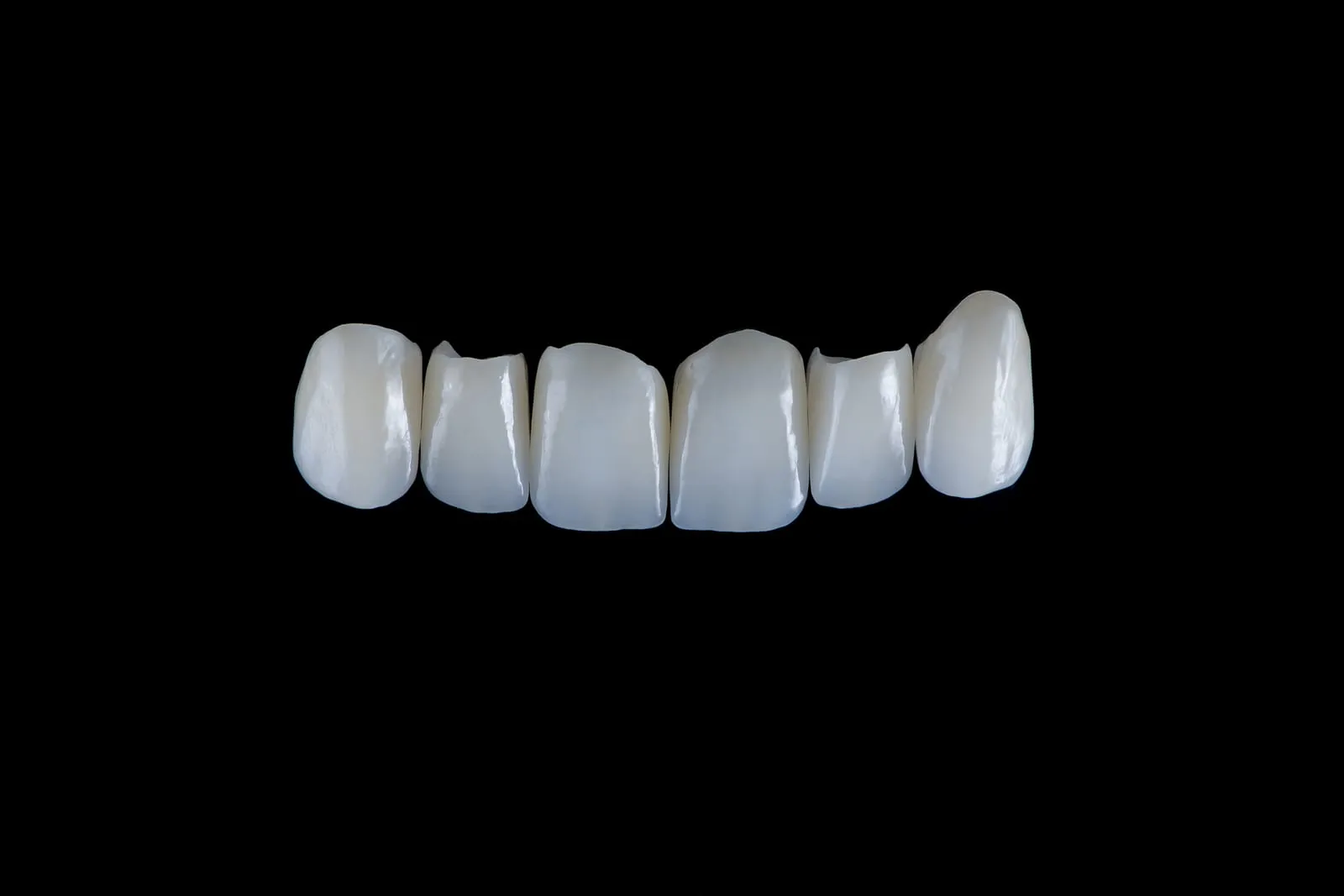
- All-ceramic: the most natural look, ideal for front teeth
- Zirconia: very strong, suitable for front or back teeth
- Porcelain-fused-to-metal (PFM): strong and more economical; a grey line can show if gums recede
- Full metal: extremely durable, for back teeth where looks matter less
Steps
- 1 Examination and X-ray; any decay or root infection is treated first
- 2 The tooth is shaped to receive the crown
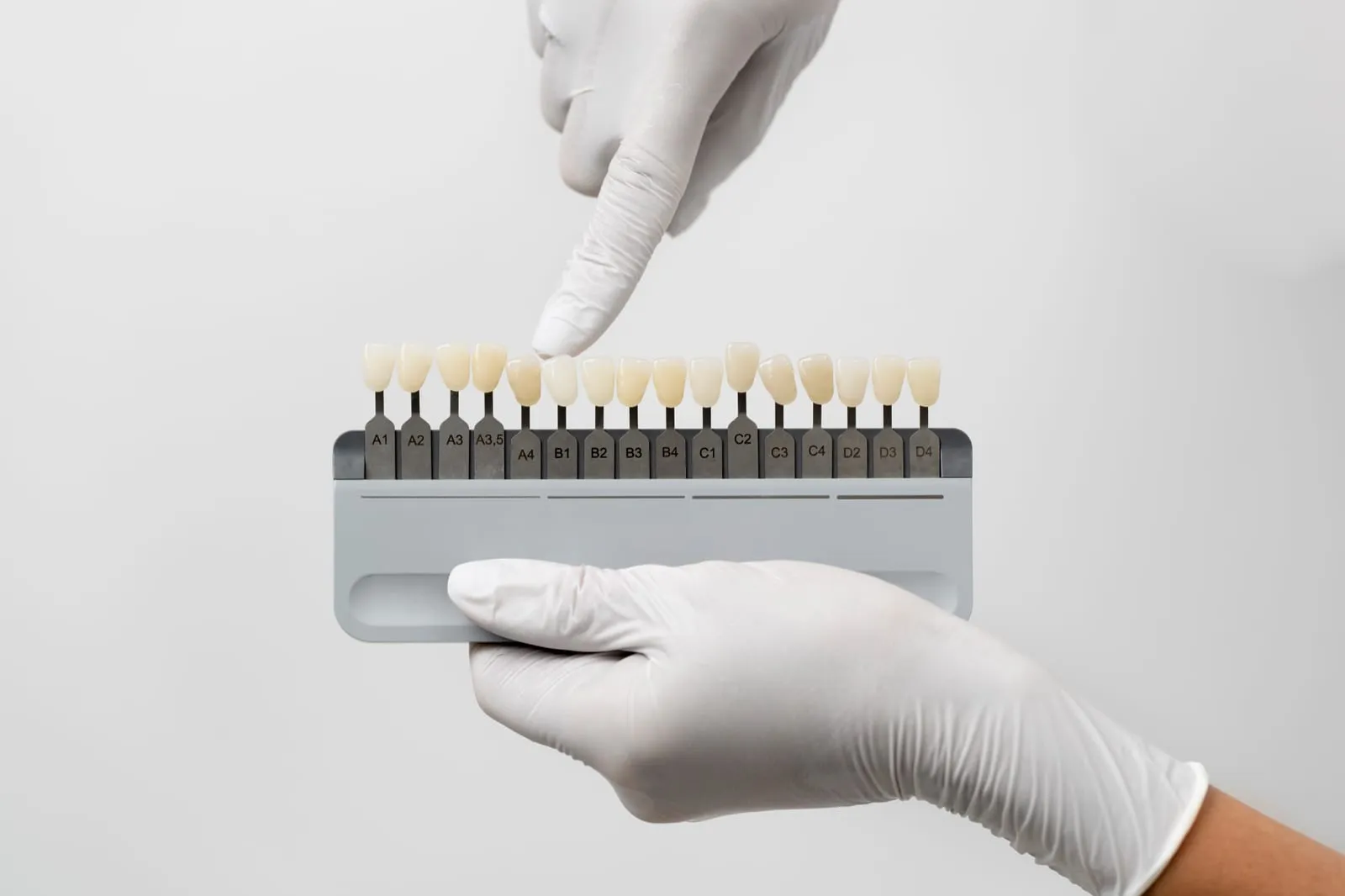
- 3 A 3Shape digital scan (no impression trays) and shade matching
- 4 A temporary crown while the lab makes yours
- 5 Try-in, bite adjustment and permanent cementation
Care
- Brush and floss around the crown edge every day
- Avoid chewing ice or very hard foods
- If a crown feels loose, comes off or chips, contact us
Common questions
Crown or veneer?
A crown covers the whole tooth and is for badly damaged teeth. A veneer covers only the front and is for improving the look of healthy teeth.
How long does a crown last?
It depends on the material, position and care, but typically many years. Six-monthly checks catch problems at the margin early.