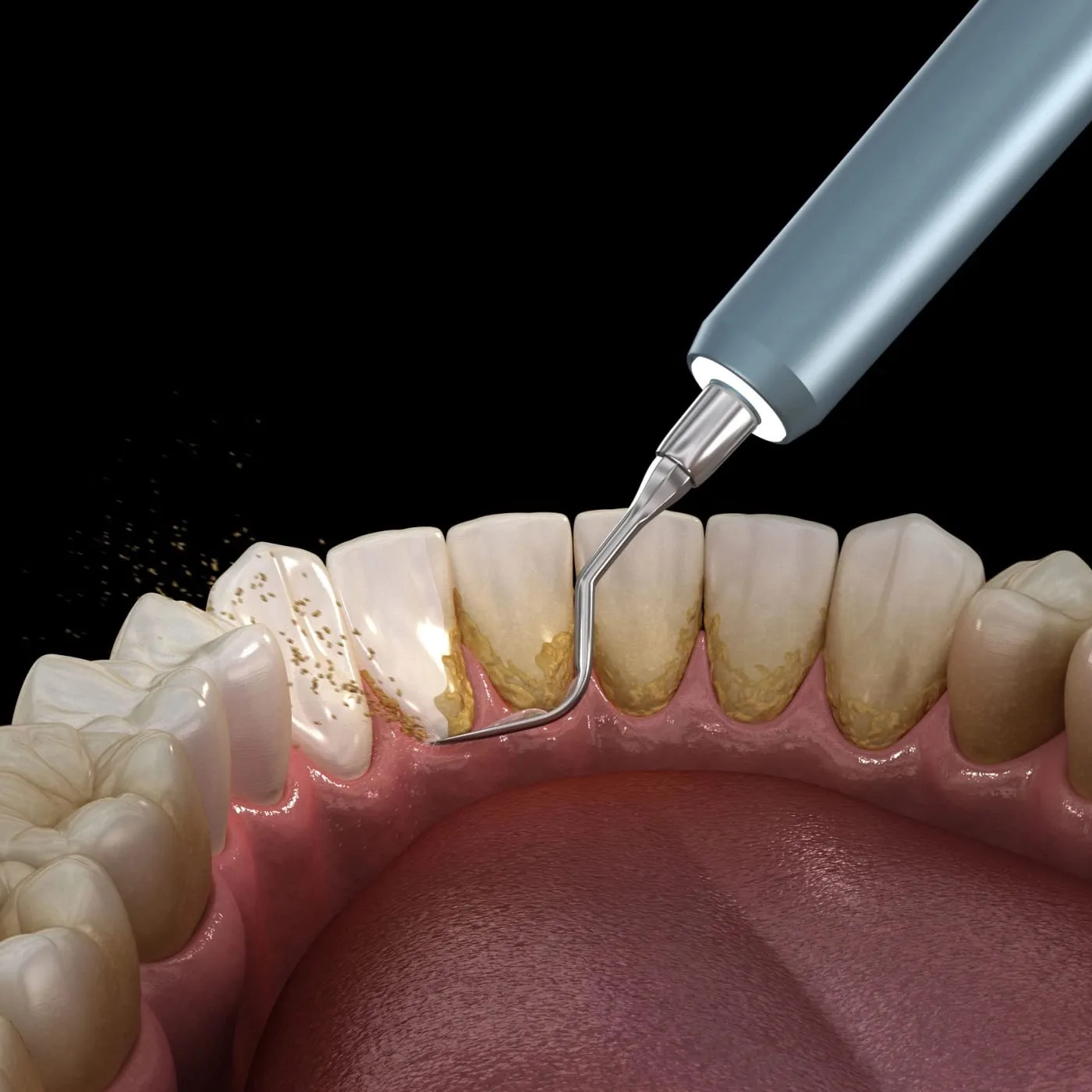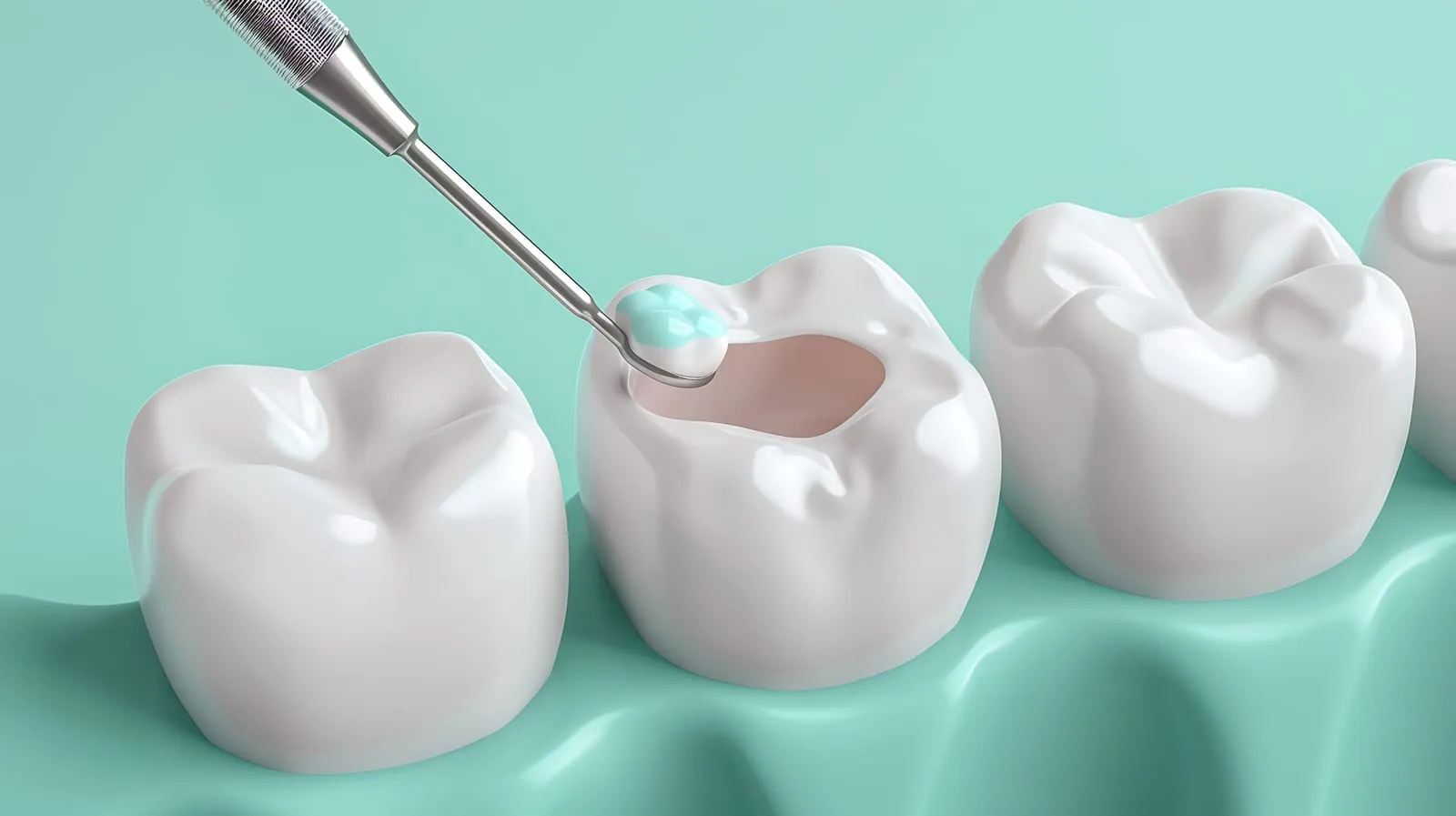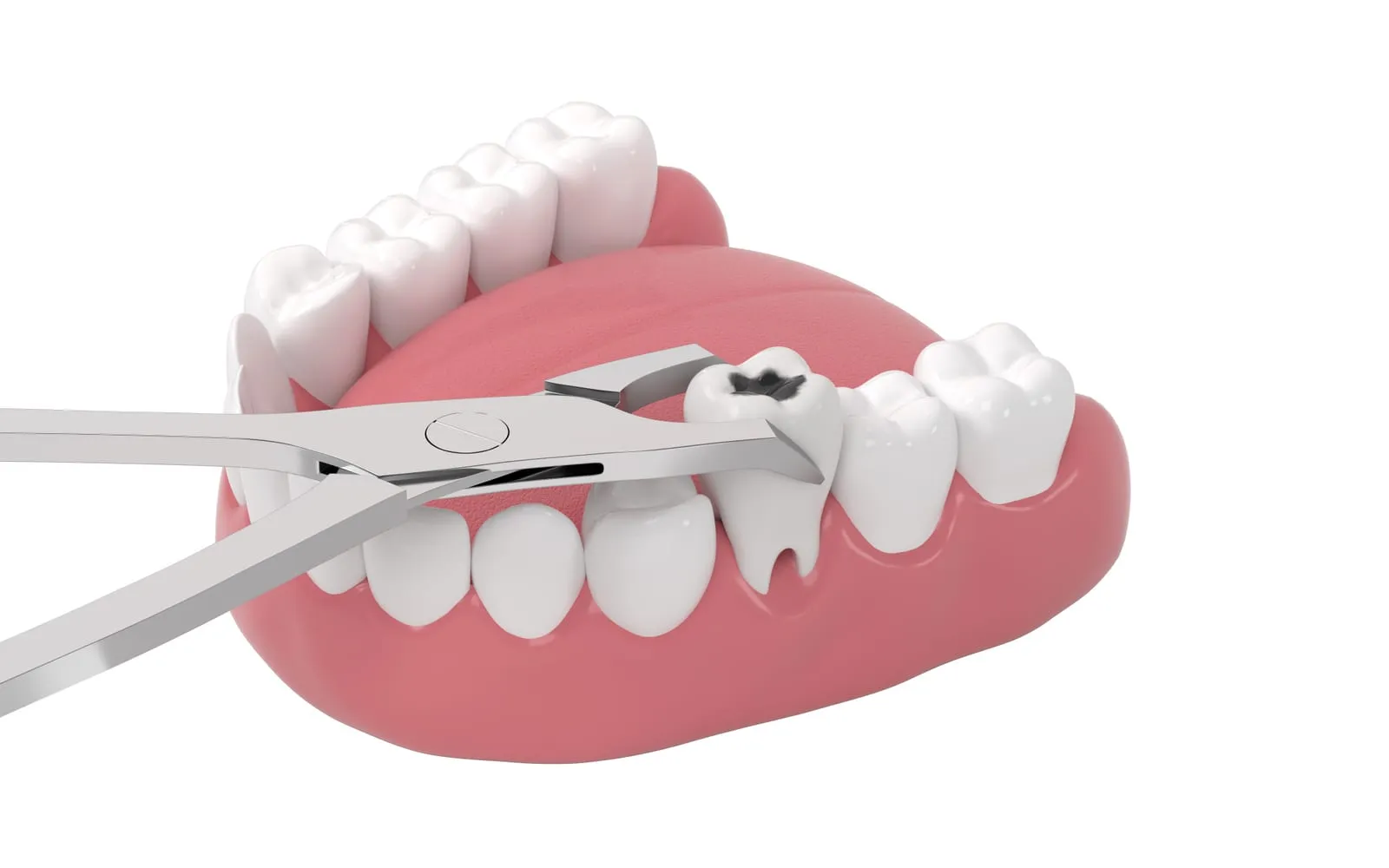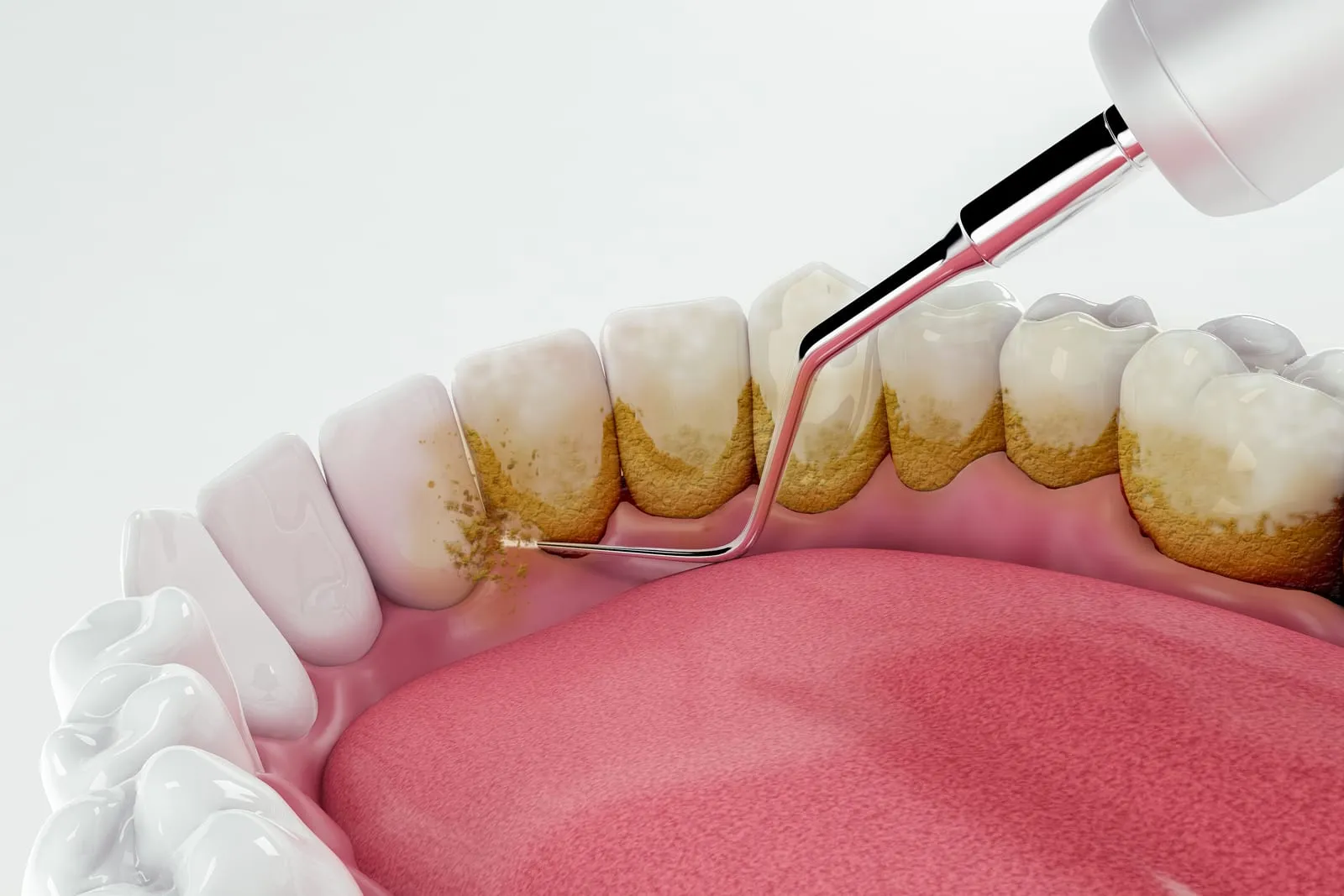
Plaque that sits along the gumline hardens into tartar within days, and once it does, no toothbrush can remove it. Left alone it inflames the gums, makes them bleed and can progress to gum disease. A regular professional clean is the simplest way to stay ahead of it.
What happens at your visit
- 1 A full check of teeth and gums to map tartar and any decay
- 2 Ultrasonic scaling, with hand instruments for the fine areas
- 3 Polishing so new plaque has less to cling to
- 4 Flossing between every tooth
- 5 Fluoride varnish where it helps
Afterwards
Some sensitivity or tender gums for one to three days is normal, especially if there was a lot of build-up. A sensitive toothpaste and a soft brush help. If bleeding continues or pain increases, message us and a dentist will advise.
Why every six months
- Lower risk of gum inflammation and periodontal disease
- Small cavities are caught early, while they are still simple to fix
- Fresher breath
- Coffee, tea and tobacco stains are lifted
Common questions
Does scaling make gaps between teeth?
No. Tartar can fill spaces left by receding gums; once it is removed you see the gap that was already there.
Will I need an injection?
Usually not. If you are very sensitive or there is deep tartar under the gum, the dentist can use local anaesthetic if you ask.
Can I have a cleaning while pregnant?
Yes, and it is encouraged because gums inflame more easily in pregnancy. The second trimester is ideal. Let the dentist know before starting.