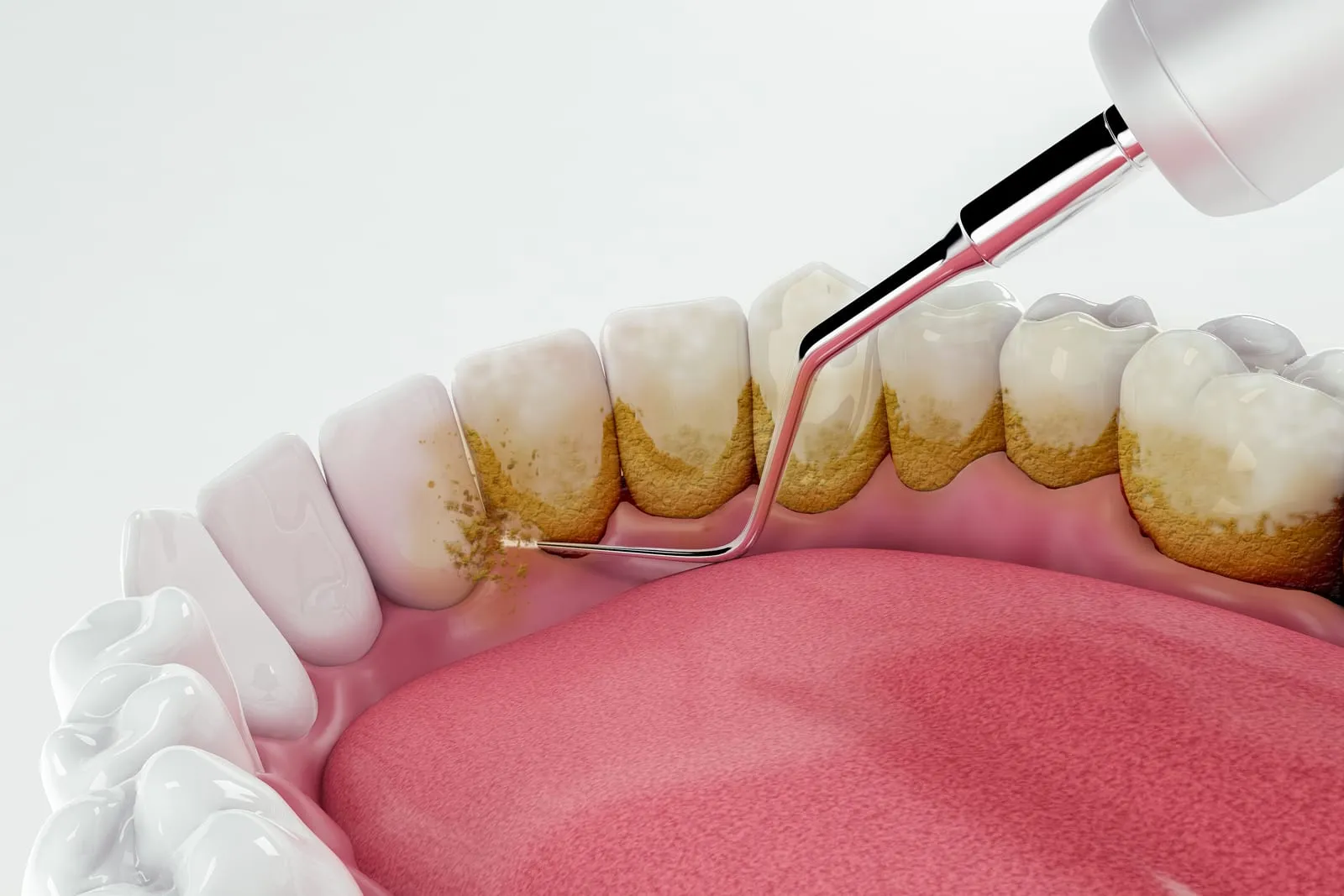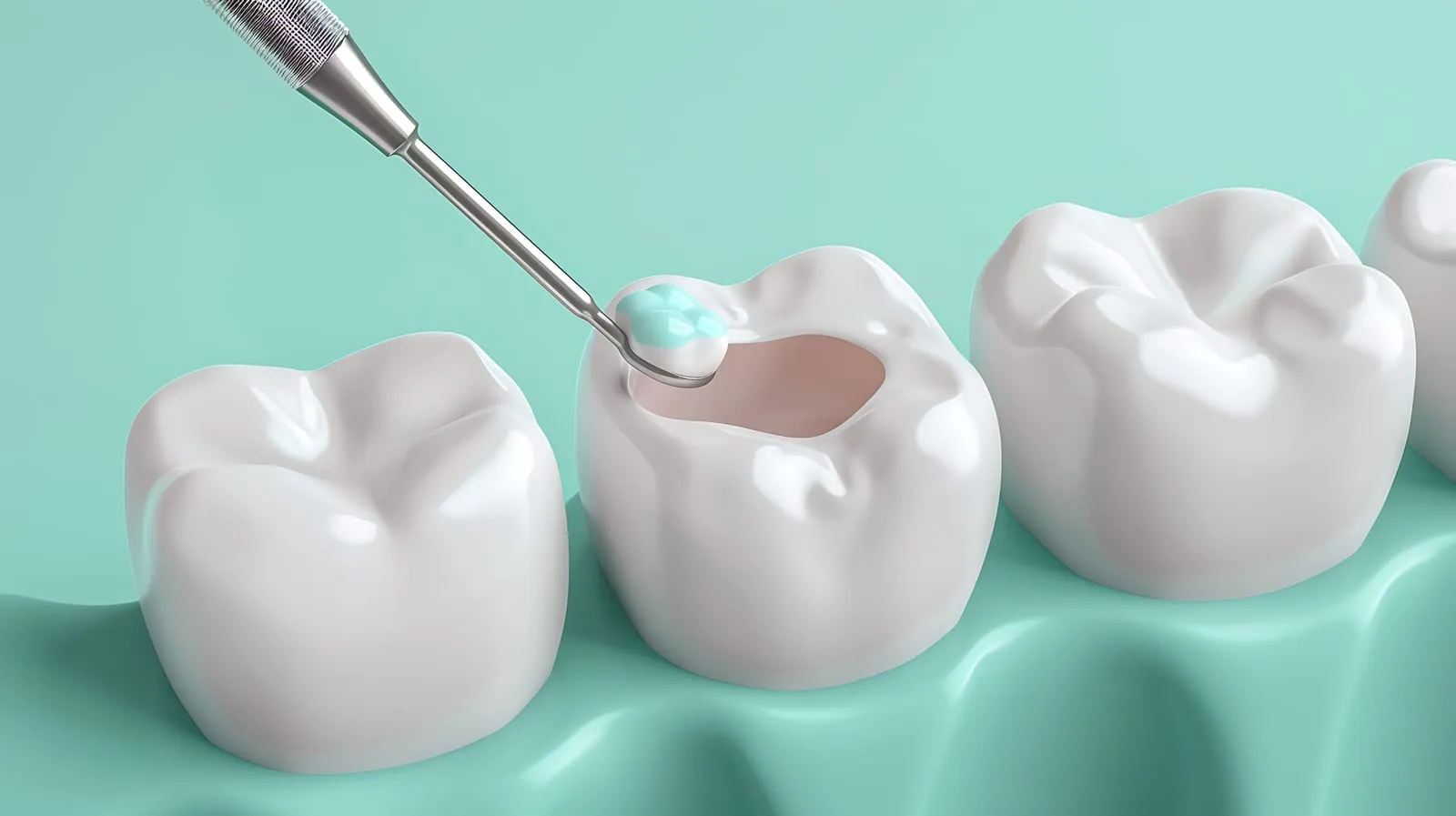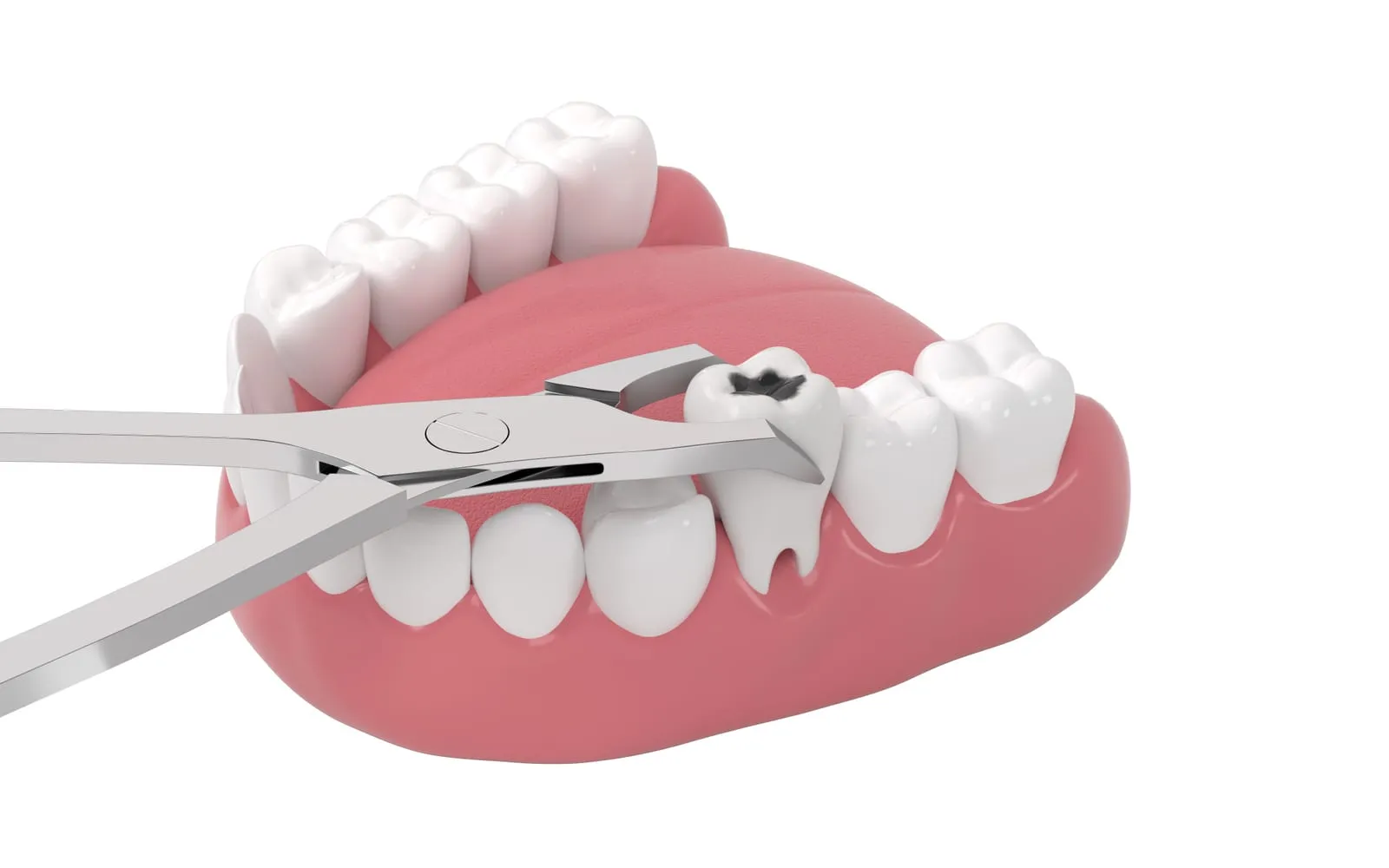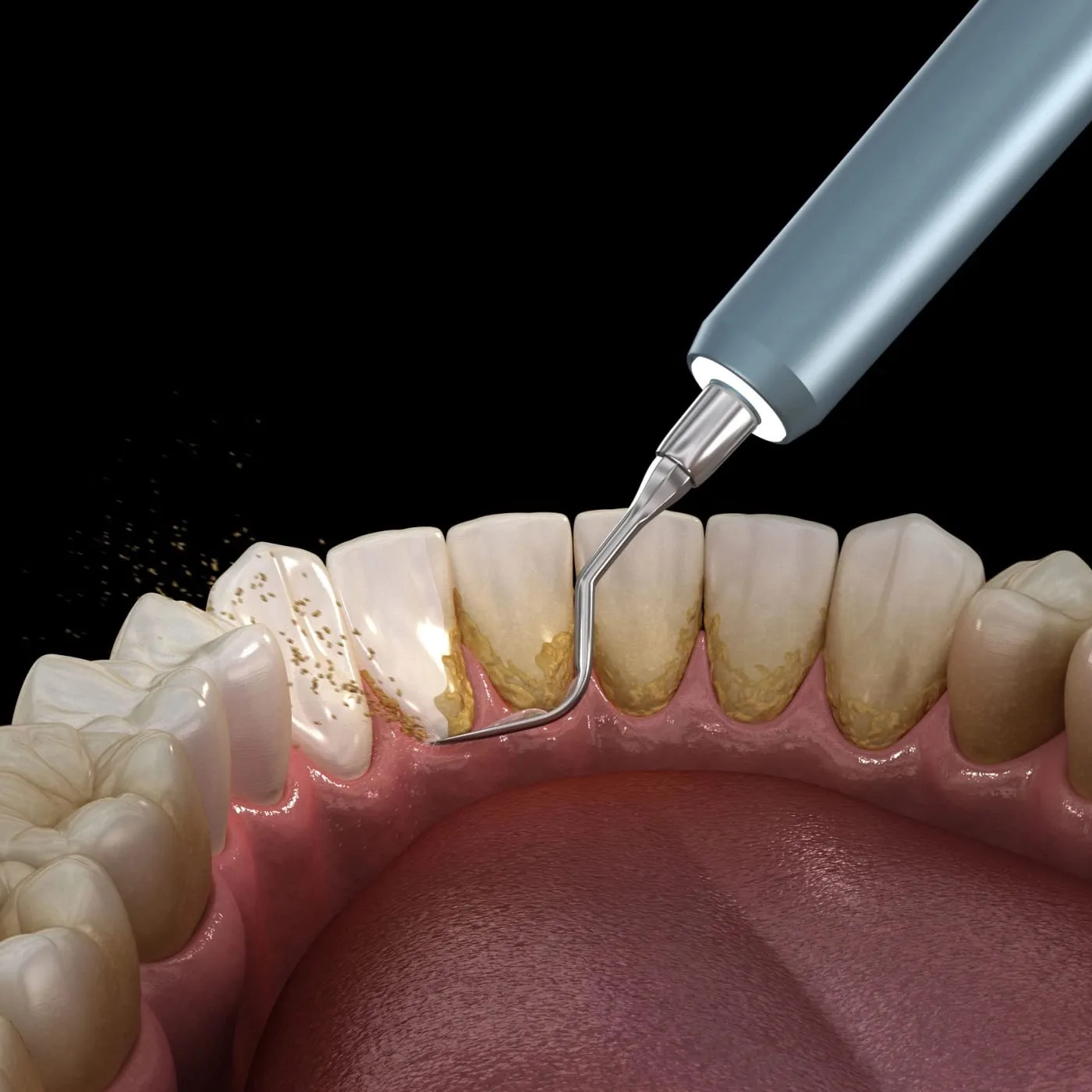
When tartar reaches below the gum, the pockets around teeth deepen and trap bacteria that a routine clean can’t reach. Root planing cleans and smooths the root surfaces under the gum so the inflammation can settle and the gum can tighten again.
Is it for you?
- Red, puffy gums that bleed when you brush
- Persistent bad breath
- Teeth starting to feel loose, or receding gums
- Your dentist has measured deeper-than-normal gum pockets
How it works
- 1 X-rays and pocket measurements to assess how far the disease has gone
- 2 A standard clean above the gum first
- 3 Under local anaesthetic, the roots are cleaned and smoothed one section at a time
- 4 A follow-up visit to re-measure the pockets
Aftercare
- Mild sensitivity or a little bleeding in the first days is normal
- Brush gently twice a day and clean between teeth daily
- Avoid smoking: it slows gum healing
- Keep your review appointments; gum disease needs ongoing care
Common questions
How is it different from a normal clean?
A normal clean works above and at the gumline. Root planing goes further down onto the root surface inside the gum pocket, so it takes longer and is split over several visits.
Will I need it again?
It depends on how your gums respond and your home care. Many people move to more frequent cleans, such as every 3-4 months; the dentist will advise after your review.