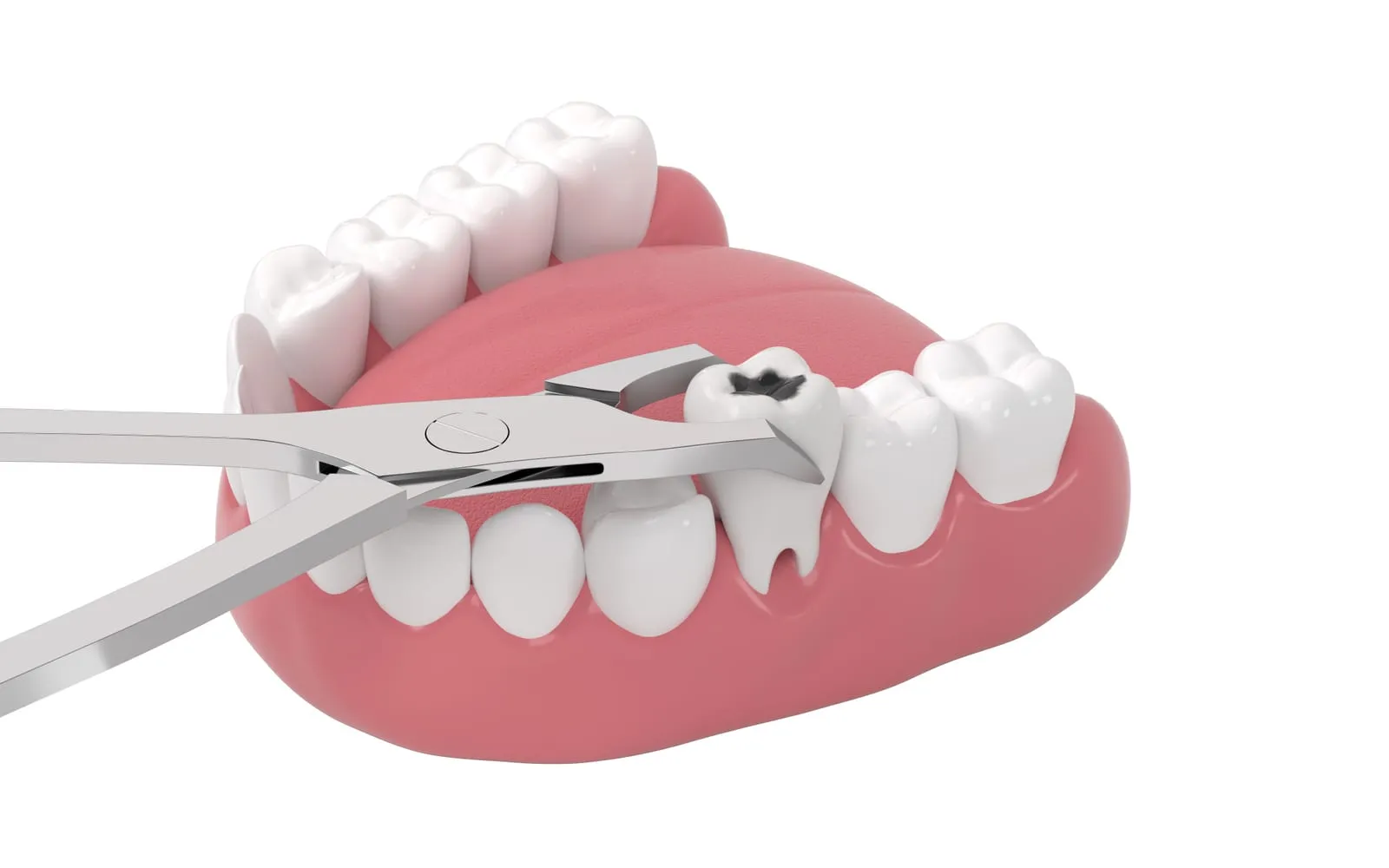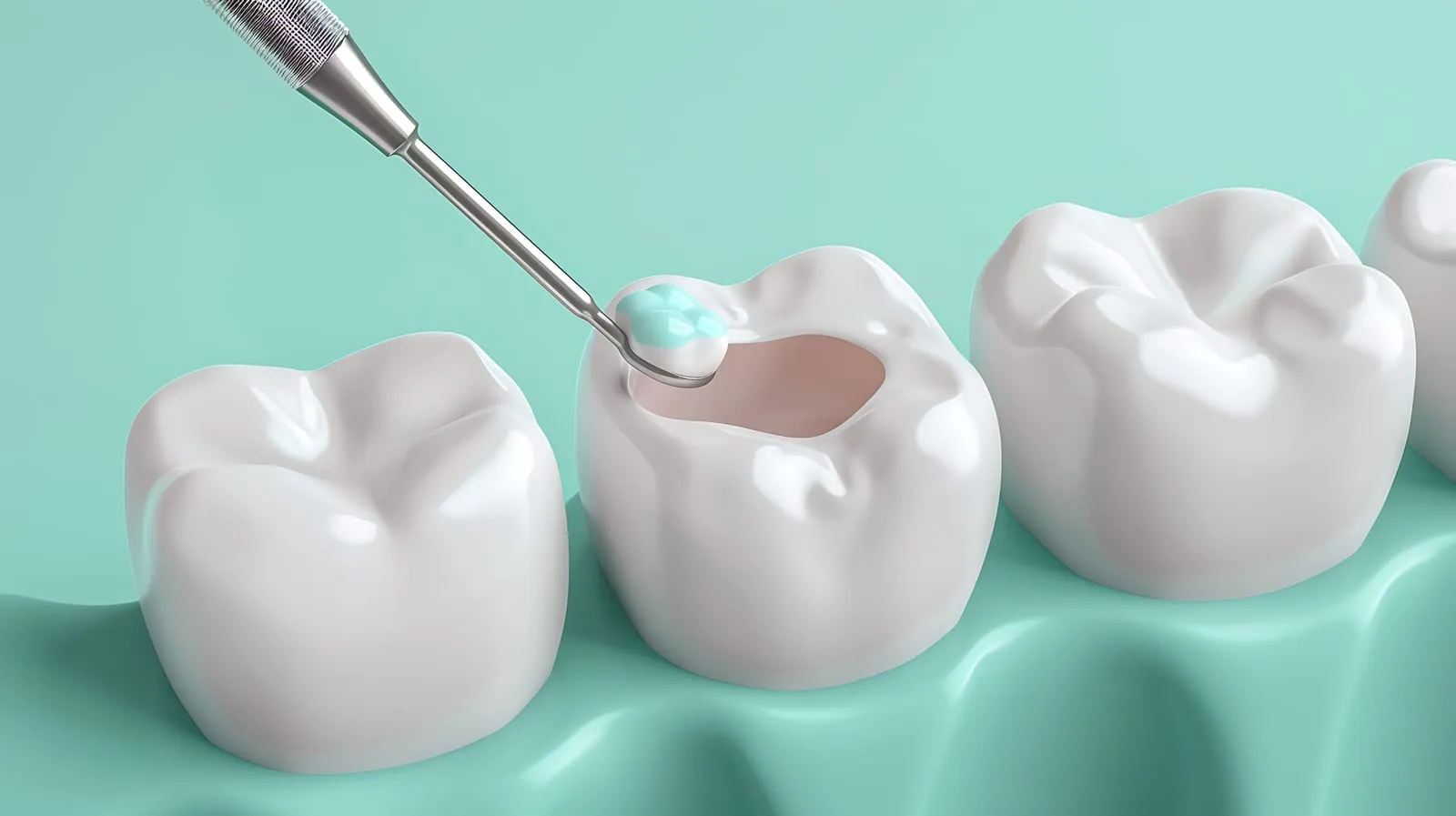
Early decay rarely hurts, but it keeps going until it reaches the nerve and needs a root canal. Filling a cavity while it is small is quicker, keeps more of your natural tooth and costs less than treating it later.
Filling materials
- Composite resin: tooth-coloured and bonded to the tooth; suitable for front and back teeth
- Glass ionomer: releases fluoride; often used for children or near the gumline
- If very little tooth is left, a crown or inlay/onlay may be the better option
How it works
- 1 Examination and X-ray to see how deep the decay goes
- 2 Local anaesthetic if needed, then the decay is removed
- 3 The tooth surface is prepared and a bonding agent applied
- 4 The filling is built up in layers and hardened with a curing light
- 5 Shaping and a bite check
Afterwards
- Composite sets immediately: eat once the numbness wears off
- Brief sensitivity to cold for a few days can happen
- If the bite feels high, come back for an adjustment rather than living with it
- Avoid biting very hard things like ice or bones
Common questions
Can a filling close a small gap?
Yes, small gaps can be closed by adding composite to the sides of the teeth (diastema closure); see our cases. Wider gaps may need braces or veneers.
How long do white fillings last?
It depends on size, position and your bite, but typically many years. Six-monthly check-ups let us keep an eye on the edges.